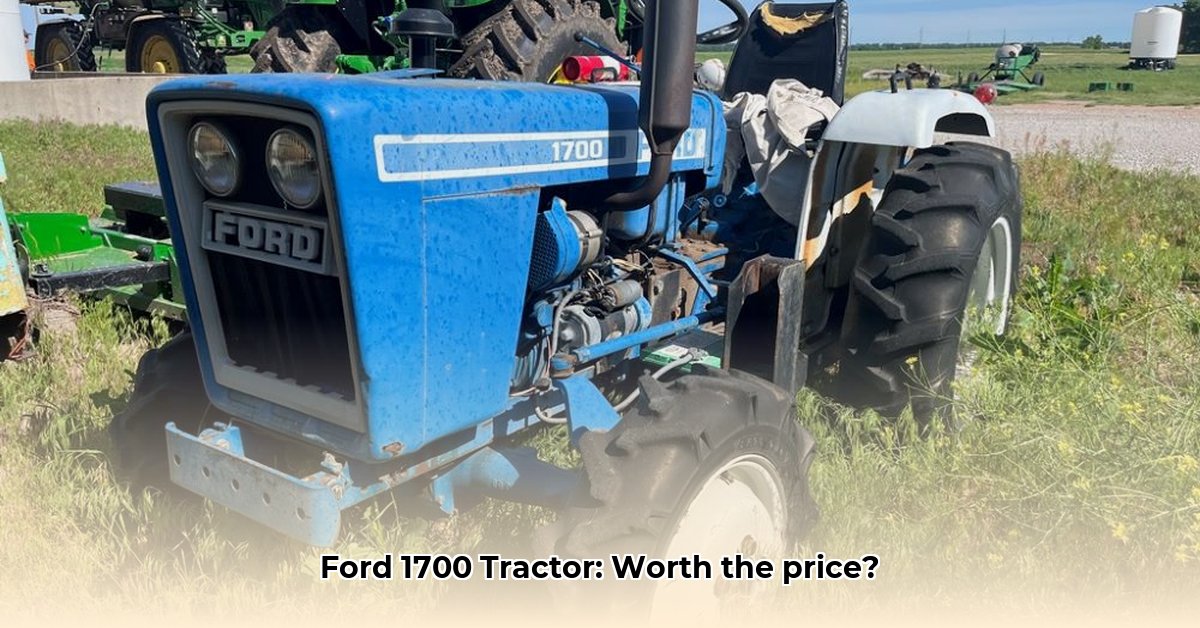
Finding the right price for a used Ford 1700 tractor can be challenging. This buyer's guide helps you understand the factors influencing its value and navigate the market effectively. Whether you're a seasoned collector or a first-time buyer, this guide provides the knowledge you need to make an informed decision. For additional resources on valuing used farm equipment, check out this helpful guide on used tractor values.
What Influences the Price of a Used Ford 1700?
Several key factors determine a Ford 1700's value. It's not simply about age; condition plays a crucial role. A meticulously maintained tractor will command a significantly higher price than a neglected one.
Condition: This is paramount. A well-maintained tractor with minimal wear and tear is far more valuable than one showing significant rust, damage, or mechanical problems. Think of it like comparing a classic car in pristine condition to one needing extensive repairs.
Hours of Operation: Lower operating hours indicate less wear and tear on the engine, transmission, and other components. High hours suggest increased potential for future repairs and a lower resale value.
Year of Manufacture: Older Ford 1700 tractors, especially those in excellent condition, can be highly sought after by collectors, commanding premium prices. However, newer models might offer better mechanical reliability, depending on maintenance history.
Features: Additional features such as a front-end loader, three-point hitch, or specialized implements significantly increase the tractor's value and functionality.
Drive Type: Four-wheel-drive (4WD) models generally sell for more than two-wheel-drive (2WD) models due to their enhanced capabilities in various terrains.
Documentation: Comprehensive service records and documentation demonstrating regular maintenance inspire buyer confidence and justify a higher price. This transparency builds trust and reassures potential buyers of the tractor's overall condition.
Navigating the Ford 1700 Market: Where Do Prices Typically Fall?
Precise pricing for a Ford 1700 is difficult due to variations in condition and market fluctuations. Online marketplaces offer a starting point, but actual sale prices are often less transparent. Expect a wide range, with meticulously restored, low-hour tractors commanding top dollar, while heavily used models will sell for considerably less. The price range is similar to that of a classic car versus a well-used truck. Don't forget to factor in location – regional demand can impact prices.
Finding Your Perfect Ford 1700: A Step-by-Step Guide
Finding the right Ford 1700 requires diligent searching. Follow these steps for a successful hunt:
Online Marketplaces: Start with online marketplaces specializing in farm equipment. Websites like TractorHouse and others provide access to numerous listings, although sale prices are not always visible.
Vintage Tractor Dealers: Consider contacting vintage tractor dealerships. They might have meticulously restored and maintained tractors, promising reliability but often at a higher price.
Private Sellers: Private sales could offer better prices, but require extra care. Always inspect before buying from private parties.
Farm Auctions: Auctions can be a great place to find bargains, but require pre-auction research and careful on-site inspection.
Before You Buy: A Comprehensive Inspection Checklist
A personal inspection is non-negotiable. Don't rely solely on photos or seller descriptions. Bring a friend knowledgeable about tractors, or consider hiring a qualified mechanic. Here's a checklist:
- Engine: Check for leaks (oil, coolant), listen for unusual noises, and assess compression.
- Transmission: Test for smooth shifting, listening for grinding or whining noises.
- Hydraulics: Test lift arms, checking for leaks and smooth operation of hydraulics.
- Tires: Inspect tires for wear, cracks, and proper inflation.
- Body & Paint: Note rust, dents, or damage. The cleanliness often reflects maintenance history.
- Electrical System: Test lights, gauges, starter motor, battery and wiring.
- PTO (Power Take-Off): Engage PTO and check for smooth operation, listening for unusual noises or leaks.
Negotiating the Price: Getting a Fair Deal
Armed with your research and inspection, negotiate effectively. Knowing fair market value for similar tractors is key. Be respectful but firm, aiming for a price reflecting the tractor's condition and your research. Remember, a fair price benefits both parties.
Maintaining Your Investment: Preserving Value and Extending Life
Proper maintenance is essential for retaining your Ford 1700's value. Regular maintenance, including oil changes and fluid checks, prevents minor issues from becoming major problems, saving you time, repairs and money down the road.
Final Thoughts on Ford 1700 Tractor Value
The value of a Ford 1700 hinges on condition. Thorough research, meticulous inspection, and effective negotiation are paramount to a successful purchase. A well-maintained Ford 1700 can provide years of service and even appreciate in value over time.